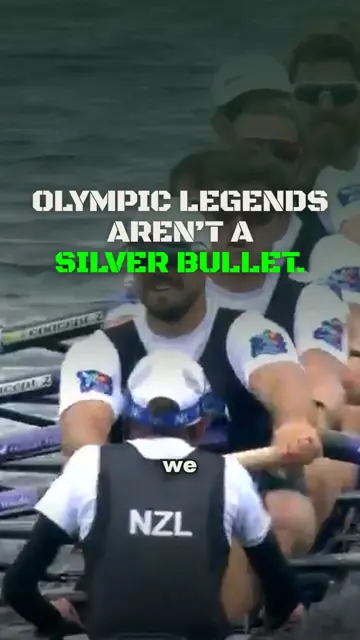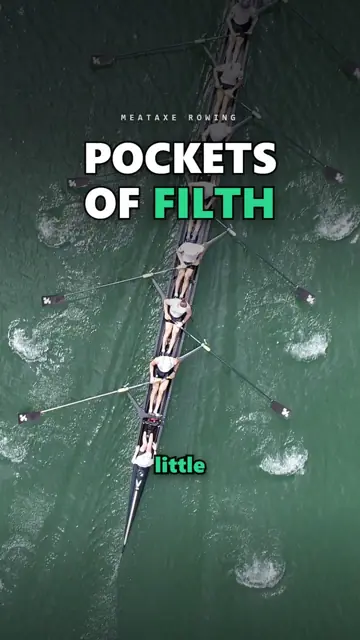
The seat order that won us the Olympic final was a last-minute thing. Drew Ginn asked me about it on Mercantile Radio, and the short version is that we stopped looking at seats as a pecking order and started looking at how each of us moved the boat.
The swap that made the Kiwi eight click
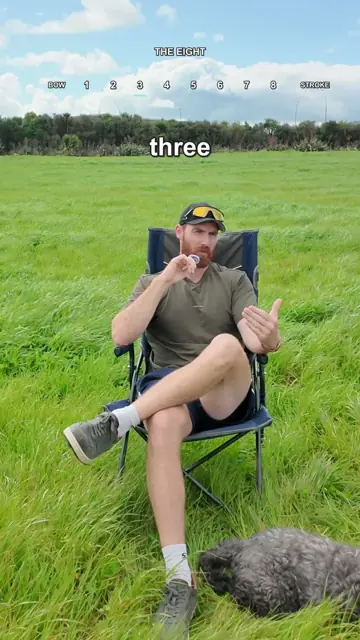
All of a sudden, I went from three to seven. Tom Murray went from bow to three, and Tom Mackintosh went to bow.
"We changed all the bow side, and that clicked better."
The same guys were in the same boat. The only thing that changed was who sat where.
What a force curve tells you about a rower
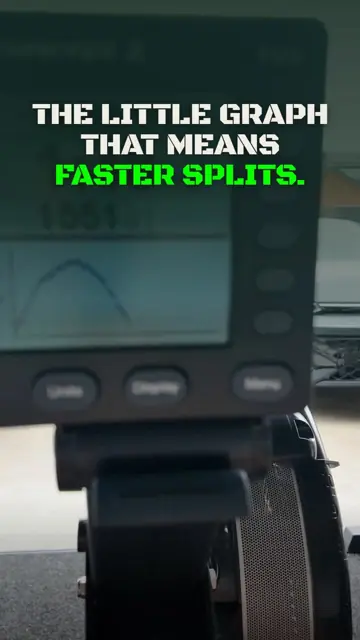
Your force curve is the shape of your push through each drive, from the catch to the finish. On the erg it's the little graph I stare at instead of my split, and it's different for everyone.
T-Mac is one of the best around, and his force curve is a big, evenly spaced bell curve. Mine isn't.
"my force curve is like quite steep like a steep pickup"
Hamish Bond's is different again. His curve is really front-ended. He locks in at the catch rock solid, immediately on the boat. Three good rowers, three different shapes, and that's the bit a seat order can use.
Which seat suits which force curve?
Start with what each end of the boat needs. For us, the stern needed one thing.
"we wanted to get this really, really, really sharp catch at the front"
That's why I went to seven. With a steep pickup I could get properly aggressive on getting in and on, right where the rest of the crew takes its timing from. Seven also has all the momentum of the boat behind it, which is why I found seven easier than three.
Bow asks for something else. I reckon bow seats generally have a more elongated force curve, because the job down there is holding on to the speed the boat already has.
"he's got this epic ability to like carry the boat"
In bow, T-Mac could tee up with Hamish. Those two in a pair were seriously fast, and together they carried the speed on. I think he was probably more comfortable there too.
Where do the strongest rowers sit in an 8?
There's no one seat for them. In our eight they were spread right through the boat. T-Mac was in bow. When Hamish came into the Kiwi eight, with his three Olympic gold medals, he sat in two seat, right behind me.
Results from small boats don't count for much once you're in the big boat anyway. The best athletes are the ones who adapt quickly, which is the story of two Olympic champions joining our eight. So the better question for a coach is where each rower's stroke helps the boat most.
What happened after we changed seats
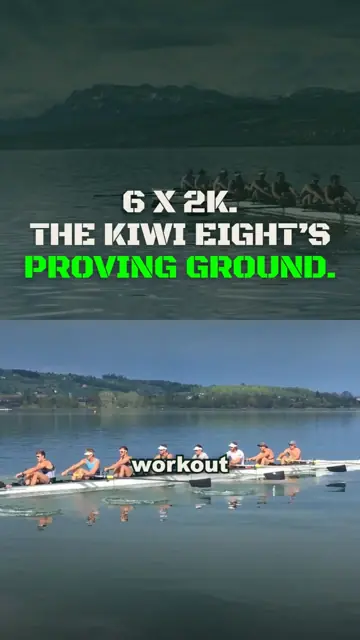
Tony O'Connor, our coach, had been working so much on pulling the crew together. Not long after the swap, we had the 6 x 2K session where the eight found its rhythm, and the boat felt like a big old steam train. I don't think that happens without the right people in the right seats.
Common mistakes
Seating by reputation. One of the best around rowed in bow for us, and Hamish Bond rowed in two.
Forgetting what each end of the boat needs. We wanted the sharp catch at the front and someone who could carry the speed on in bow.
Taking a seat change personally. I moved, Tom Murray moved and T-Mac moved, and we all went faster for it. A seat number isn't a ranking.
Once the order is set, everyone still has to row the same way, and that's what makes the boat fast. There's more on seats, standards and the people in the boat in crews and the eight.
More from Shaun on this
Read the transcript
When I'm on a Concept2, I always set the bottom half of the screen up as the graph showing the force curve, but I just stare at that little graph, see how much of a symmetrical bell curve I can create. You want it to be this totally smooth upside down U, and often a really good curve will mean faster splits. Not often, always. That bell curve looking pretty good. So yeah, send this to a Meataxe that needs to hear it. I don't know if we do the peace sign at the end.