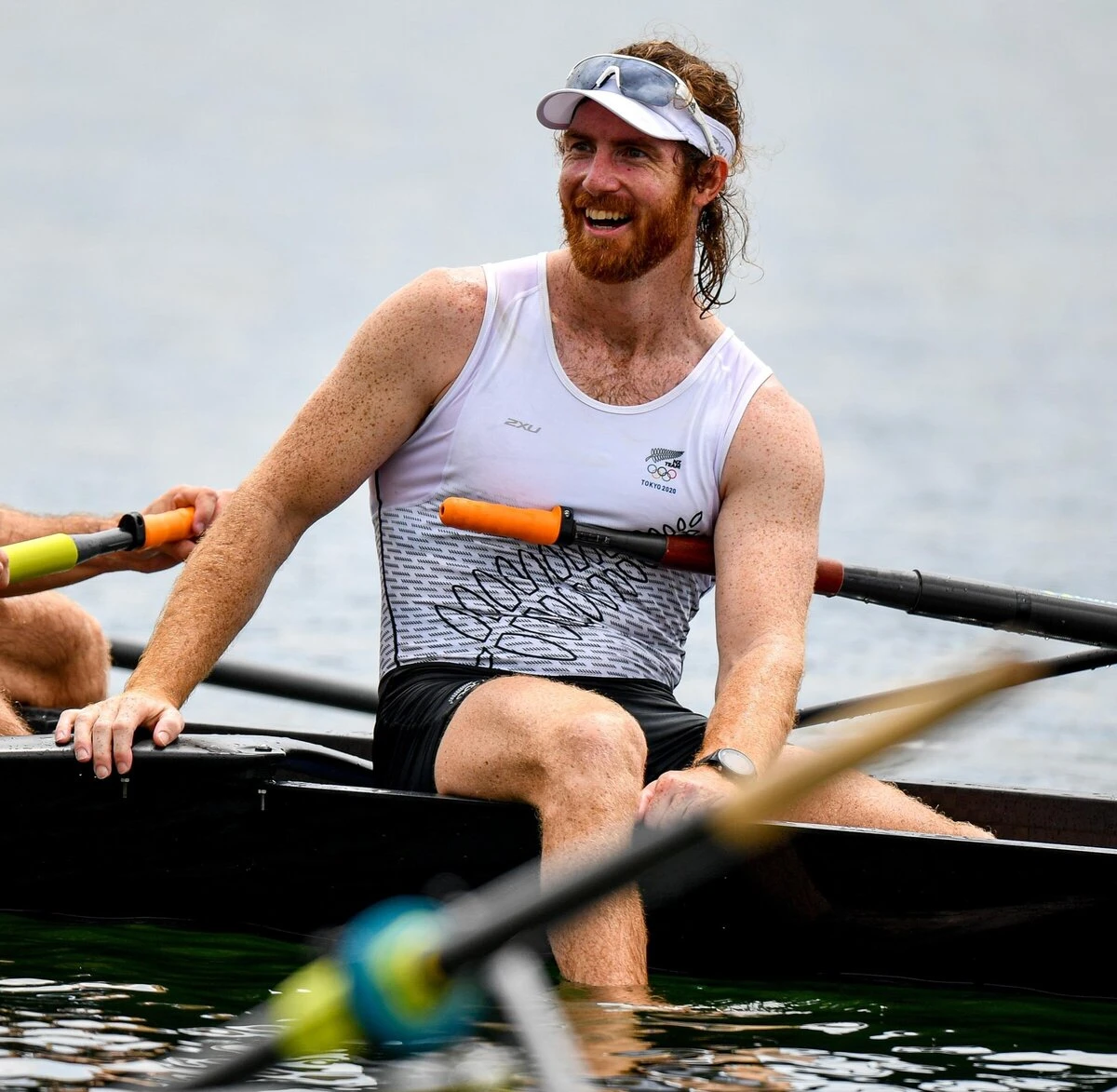
We've only got about 5 million people in New Zealand, and yet we win buttloads of Olympic medals in rowing. I don't know exactly how other countries operate, but I know what helped us get better. Here's my take, from inside the Rowing New Zealand team.
Why is New Zealand so good at rowing?
It started with a few outliers.
"In the past we've had a few outlier performances where we've had exceptional New Zealand athletes go on to win Olympic gold."
For us that was Rob Waddell, then the Evers-Swindell twins, then Mahé Drysdale. They came along and started winning when we didn't even have a professional programme, really. In my opinion the momentum began with Rob Waddell winning the single at the Sydney Olympics. All of a sudden New Zealand realised we could be good at this sport.
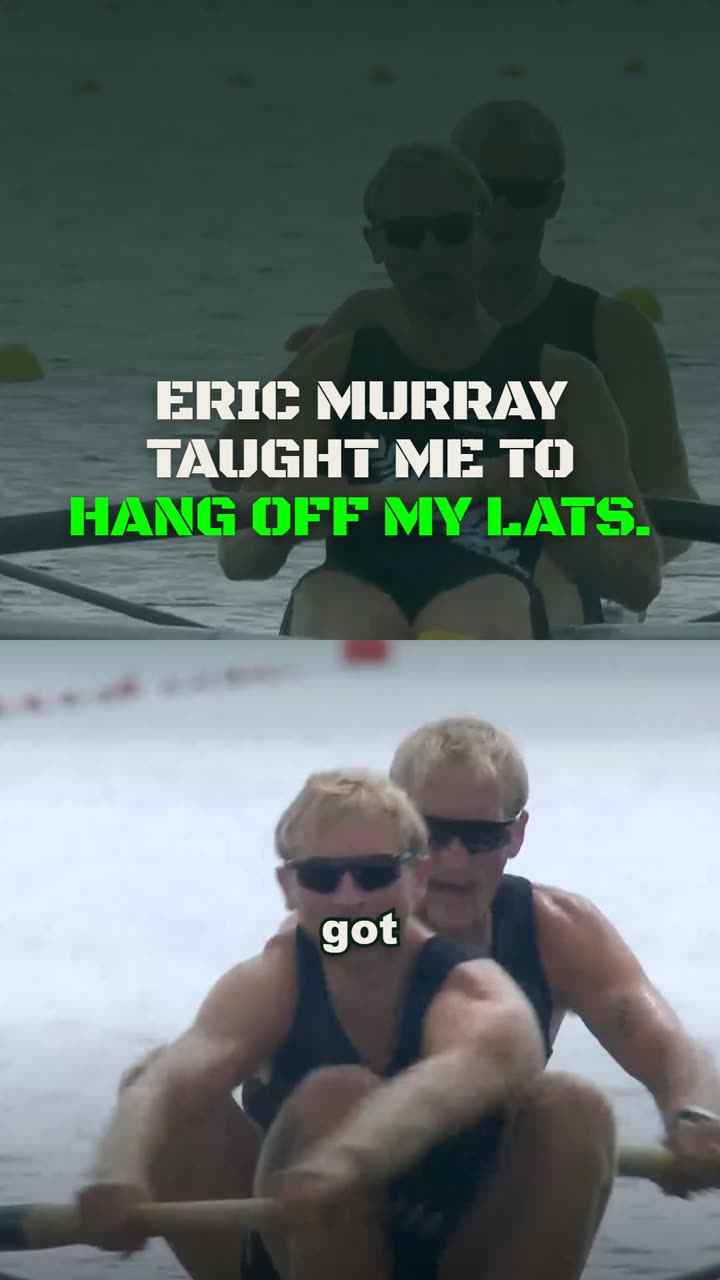
Later we had Hamish Bond and Eric Murray, Emma Twigg, Grace Prendergast and plenty more crews coming through, and each of them set the standard for the whole team.
What a centralised programme changed
Those results led to a centralised, well-funded programme. It brought all the athletes into one place and let us compare ourselves against what the best were doing.
At any one point it seems like Rowing New Zealand has a world champion level crew. Everyone else trains alongside them and measures themselves against them. You can't kid yourself about where you sit when the world champions are in your squad.
"That transparency of comparison is what makes people better, that's what makes teams faster."
What are prognostics in rowing?
We used a tool called prognostics. Prognostics rank everyone on how fast they went for a piece of work, as a percentage of the world record for their boat class. Every crew, whatever boat it's in, ends up on one list with one number.
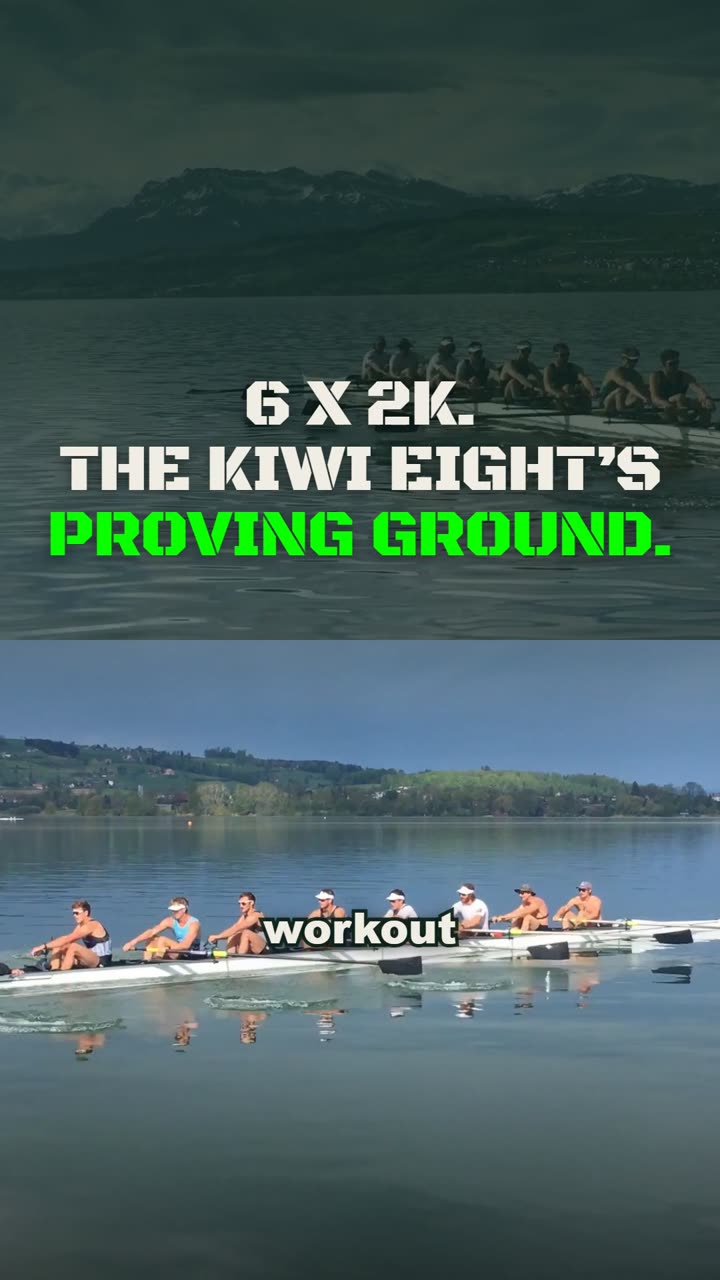
Twice a week we did squad pieces together, like a capped-rate 5k, 6 x 2k efforts or 2 x 4k. We varied it up, but twice a week we got to compare ourselves directly against a world champion crew. If you want to see what one of those sessions looked like, here's the 6 x 2k session that was the Kiwi eight's proving ground.
Prognostics are brutal, because they show how far you are from a gold medal. That's also why they work.
How it felt coming through the team
For the bulk of my time at Rowing New Zealand, the Kiwi pair, Hamish and Eric, sat at the top of the prognostics. They were the undisputed world and Olympic champions, setting unreal times in the high 90s percent of their world record speed. The rest of us were trying to get closer to ours. We knew that if we did, we were on track to win at a world champs. It was as simple as that.
"We just had Hamish and Eric just up there just crushing us in prognostics."
It gave us a really clear picture. This is how far behind we are, this is how much slower we are percentage-wise, and that's the gap we have to make up. Such a massive reality check.
Heading into Tokyo, the top of that list was all women's crews, with the men's crews sitting below them. I've written about what that did for us in what the fastest crews did differently heading into Tokyo.
Why New Zealand doesn't need big numbers
That's why we haven't had to have big numbers in our programme.
"We just need a few outliers that help drag the rest of the team up and help set the gold standard."
Prognostics are how that standard spreads. You take an exceptional performance and you make it transparent, so people understand what the standard is. Rowing New Zealand capitalised on the momentum we got in the early 2000s and turned it into a bit of a blueprint.
If you want to know what a couple of those outliers were like up close, read what Mahé Drysdale taught me about self-belief and why Hamish Bond rows simple.
Try this: prognostics in your school, club or uni
You can do this at any level: school, club, uni or senior. People think prognostics are harder to set up than they actually are.
- Time every piece you do as a squad.
- Write down the crews that raced, their boat classes and their times.
- Give it all to ChatGPT and ask it for prognostics.
- Share the results with the whole squad, so everyone can see the gap.
If you've got an outlier who's prepared to be a bit of a leader, let their performance be the line everyone measures against. Even an age group crew that has just won an event can become the standard in your school or club. You'll get the same transparency that I think is so vital for high performance.
Common mistakes
The trap with prognostics is a squad with no outlier. If you've got a bunch of crews finishing fifth and sixth and they're all competing against each other, you have no idea how far behind gold you actually are. You may lower your standards because you don't actually know what good is.
For prognostics to be really effective, you need an exceptional performance to anchor every other performance against. Without one, the numbers can tell you you're doing fine when you're not.
And don't hide the numbers. The whole point is that everyone can see the gap.