Here's a tip I got from Eric Murray, the famous Kiwi rower from the Kiwi pair alongside Hamish Bond, and a double Olympic champion. I raced a bit with Eric at national champs for Waikato, some 10 years ago now.
"He used to talk about hanging off the handle and getting that hang to feel like it's right in the lower part of your lats."
That little tip has stuck with me ever since. It helped me suppress the urge to load up my shoulders, and it let a certified Meataxe row with a bit more looseness.
What does it mean to hang off your lats?
Think about the hang through your lats: feeling the lat stretch and lock at the same time. Take it out of the arms, so your arms are just a noodle holding on for dear life. You're hooked up through the lats and through the core, and then down to the legs.
When you put the blade in, that lock and load is what you want to feel low in your lats, almost like you're hanging off them. Forget about everything in between. However much pressure you've got in your fingertips, you want as much of it as possible held through your back, lats and core, so it can be transferred to your legs. In reverse, it means you can drive really hard, hold that pressure through your trunk and into your lats, and connect your lats to the handle.
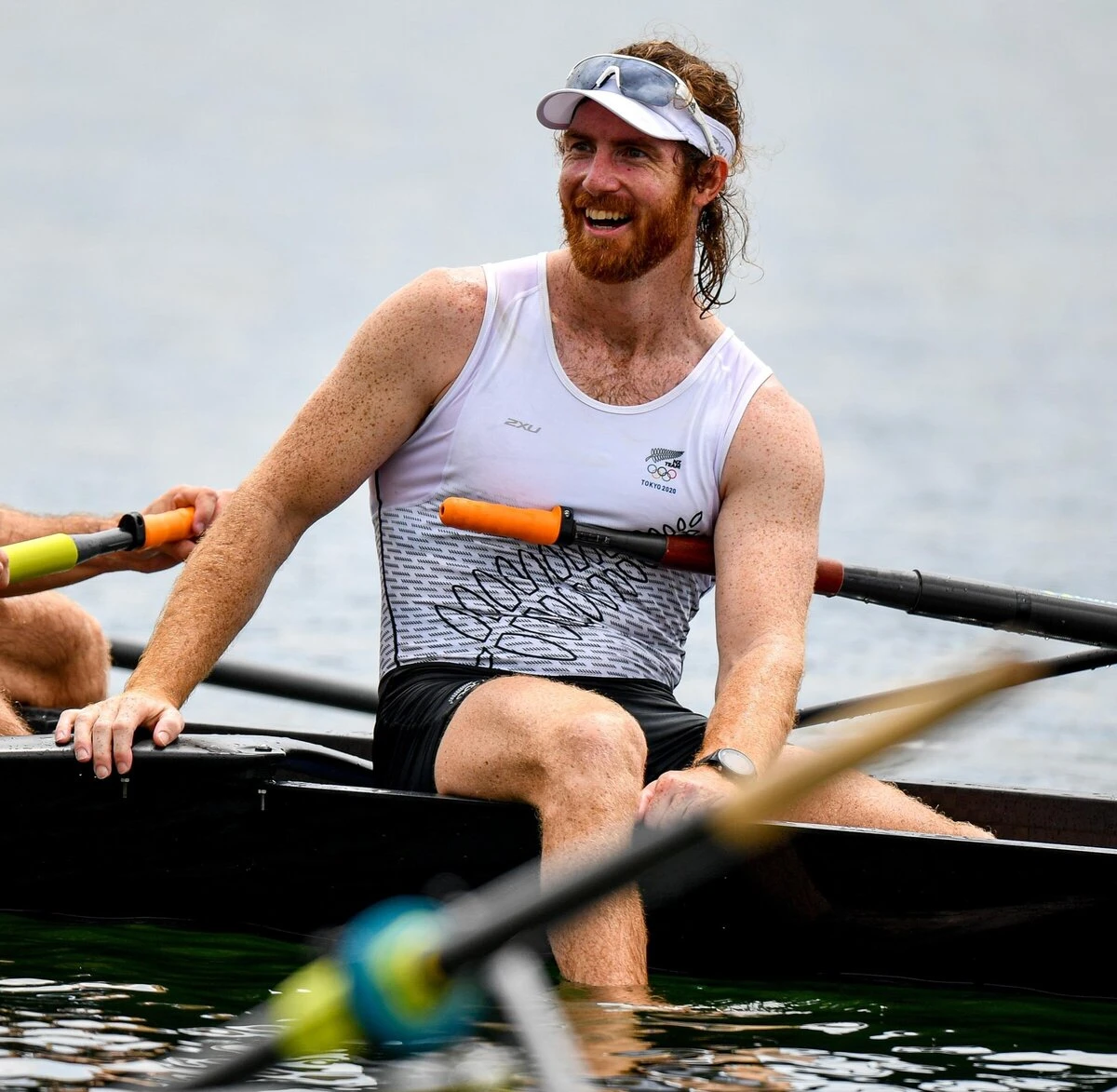
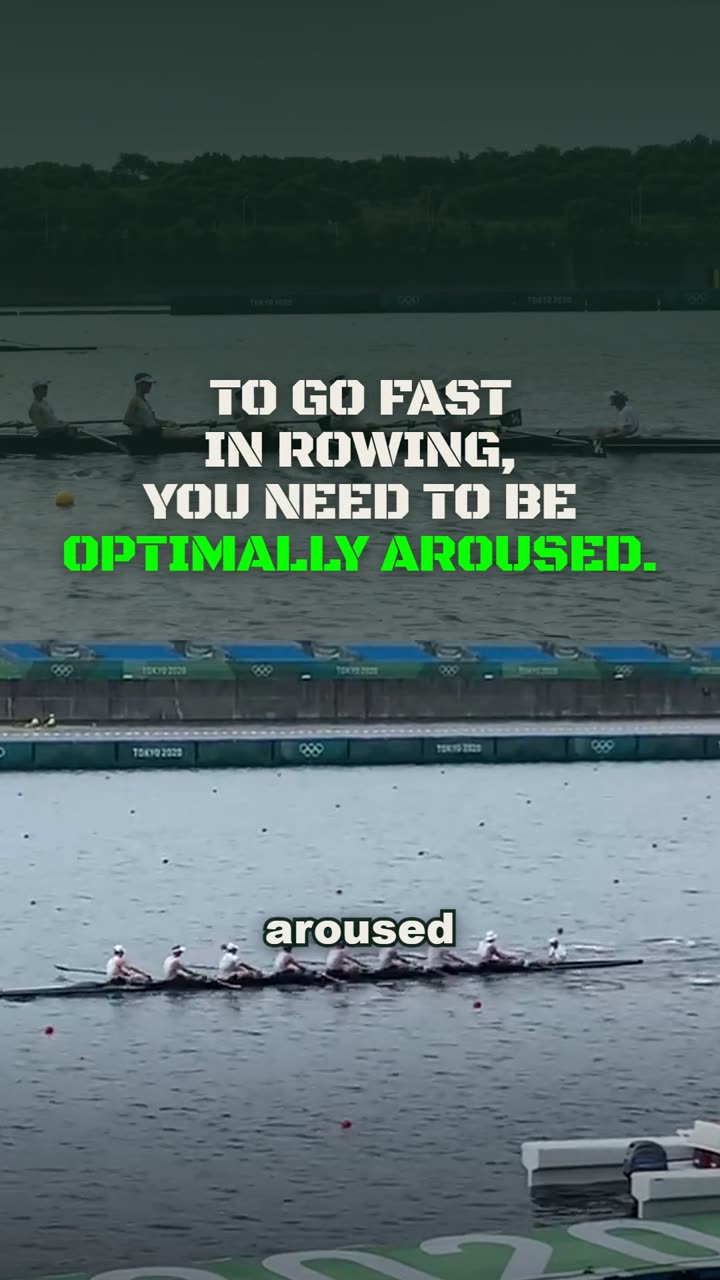
There's a photo in the video of me in the Olympic final in Tokyo. That's me hanging through the lats.
Why do powerful rowers load up their shoulders?
"It's super easy to feel like you're going to work really hard and then you load up upstairs, you load up in the shoulders and it's all just wasted energy."
You're sending blood to areas that aren't going to help the boat go faster. I think a lot of Meataxes suffer from this, me included. Big strong legs, big and strong in the gym, but not putting that power down to the water effectively. If that sounds like you, have a read of what a Meataxe rower is.
Rowing is just transferring energy through a chain. The chain starts at your fingertips, then you press through your legs, swing through your body and finish the stroke. Your legs and trunk are doing about 80% of the work. But if the power from your legs and trunk isn't transferred to the handle, you've got slippage somewhere in the chain. Often it's somewhere in your core and hips. Say your legs are pumping out 400 watts and you lose 20, 30, 40 watts through your trunk. Your arms end up with 350, 370, whatever it is. Good rowing is reducing that loss.
How do you row with your lower lats?
Next time you're on the water, just think about connecting through the lats and feeling that hang, the tension and stretch in your lats. Keep it to that one thought. It sounds confusing when I explain the whole chain, but on the water it's simple. Hang off your lats and let your legs and trunk do the work.
"Over time that'll help you get more power down to the water."
It's one of the simple cues I'd give anyone asking what makes the boat fast.
Try this on the erg
This one is a real simple exercise, and it's gold for feeling the whole chain from your hands to your feet.
- Hook a strop or tie-down around the erg handle and the machine itself.
- Get to your catch position and adjust the strop so you're more or less at the catch.
- Apply pressure against the strop through your entire body. Keep your bum where it is. The only thing you want to see is the seat going light underneath you, so you're just levitating off it a little.
- Hold that locked-in position, with no slippage through the body, for 20 seconds or so. Then lower.
- Do that a few times.
You'll feel it through your lats and your legs, and you'll feel how much core you need to stay in that position. It exposes the weak points in your chain. If your arms fold away, you're not locking on through your shoulders and lats.
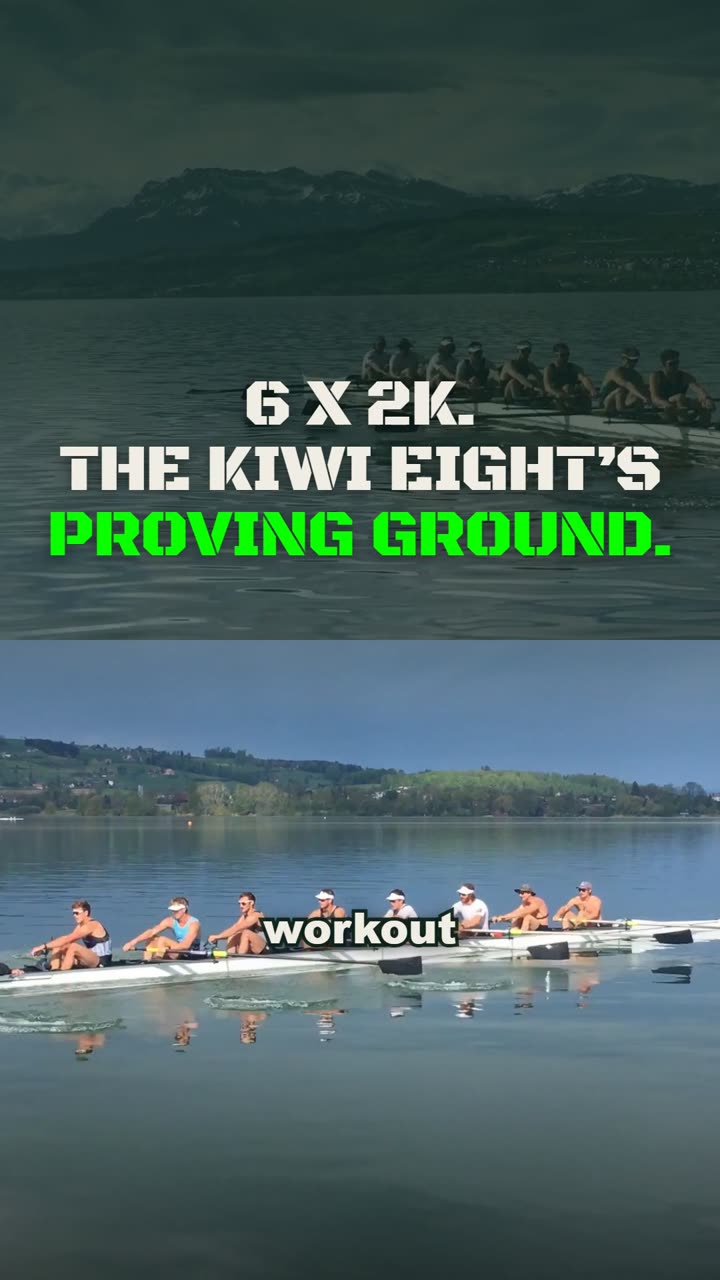
Catch slaps teach the same thing from the other direction. Slap the water as hard as you can and you'll realise how tired your shoulders get. Go back to normal rowing and you'll feel how relaxed you can be while still being decisive at the catch. It's one of the three drills we kept coming back to in the Kiwi eight.
Common mistakes
- Loading up upstairs. Working through your shoulders feels like hard work, but it's wasted energy.
- Pulling with your arms. Your arms just hold on. Your legs and trunk do the work.
- A soft middle. If your core and hips give, your leg drive leaks out before it gets to the handle.
- Showing everyone your power. If your crew can feel your leg drive, you're probably out of time. Hang, stay within the rhythm and let the boat go faster. More in how a big, powerful rower should use their power in a crew boat.