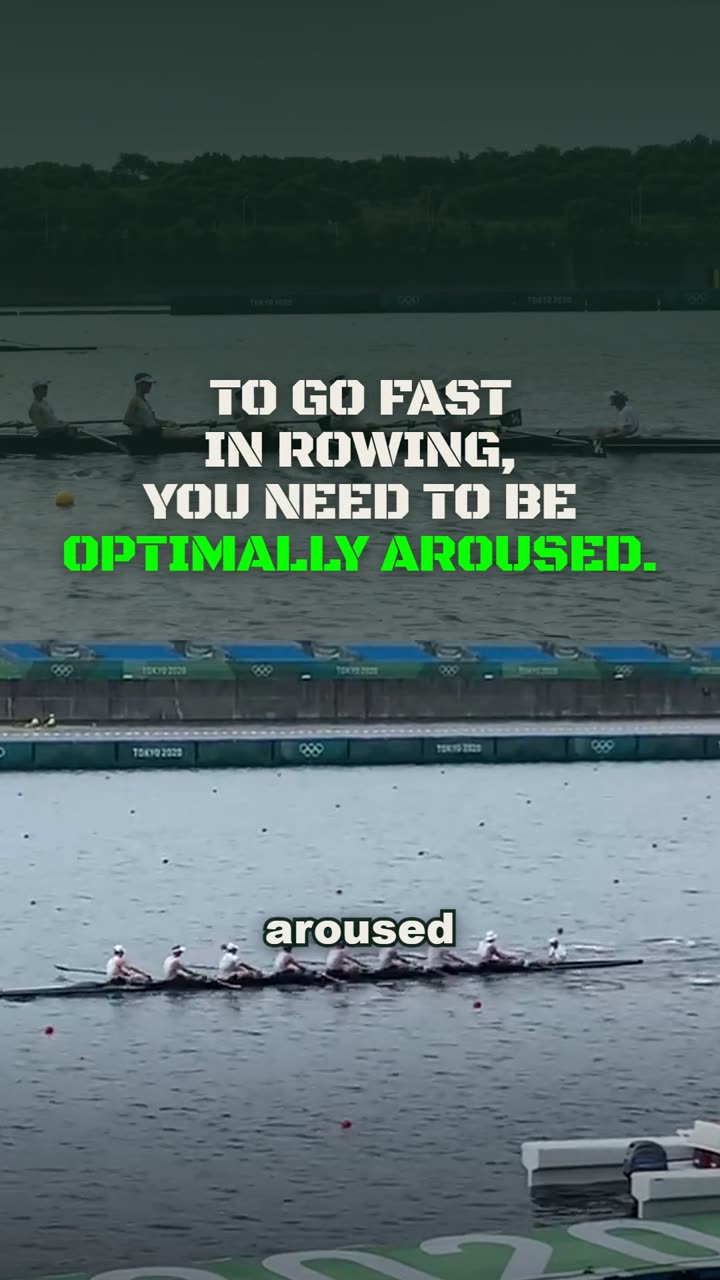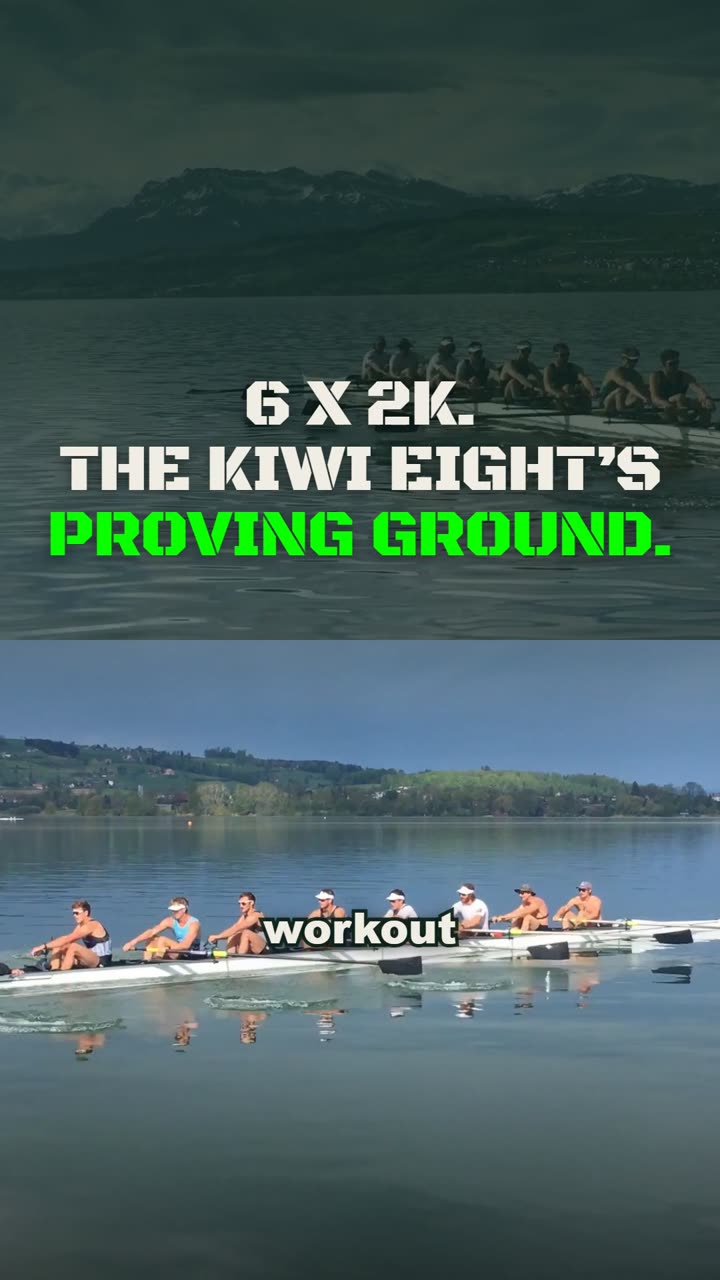
Ian Wright had us pausing at the finish, and our under-23 men's eight won back-to-back world titles rowing that way. Here's what the pause is, why it helps a crew row in time, and the one thing that makes or breaks it.
What is the pause at the finish in rowing?
If you don't know Ian Wright, he's the coach who really introduced the exaggerated time around the finish. That's his style. He probably took what Drew Ginn, the famous Australian rower, was talking about and dialled it up to 11.
We spent so much time around the finish that we were fully pausing there, then flowing away to the front, especially at the lower rates. Spending time around the finish and being quite swift up to the front can make a boat go pretty fast.
Ian drilled that type of rowing into us from day dot.
Why the pause helps your timing
Rowing in time is one of the hardest things to do in rowing. Having a lot of time around the finish, and even pausing, brings the entire crew together at one point.
"This technique makes it easier to row in time because it is so black and white."
You're either all there together, or you're not.
The thing that makes or breaks it
The pause isn't magic on its own.
"The thing that makes or breaks it is whether everyone in the crew buys into it and does it all together."
A pause only brings the crew to one point if the whole crew does it. So get everyone bought in first.
It's the same thing I say about the best rowing technique being whatever makes the boat fast. The fastest technique is whichever one the whole crew aligns on and holds each other accountable to.
There are so many haters out there of the pause style. But I won two world championships rowing like that, so it does work. You can win when you row like that.
Ian then hit copy and paste. He took the style to the Swiss lightweight four, who won Olympic gold in Rio, and to Rowing Australia, whose men's four won gold in Tokyo. Why didn't he just stay in New Zealand? That's what we all wondered.
How to row the pause at the finish
Here's how we did it in the under-23 eight.
- Get the whole crew bought in. Everyone does it, together, or it doesn't work.
- Take extra time around the finish. Exaggerate it.
- Pause fully around the finish, especially at the lower rates.
- Flow away together, and be quite swift up to the front.
The point of all of it is to bring the whole crew to one point every stroke. When that happens, rowing in time gets a lot more black and white.
What Ian Wright was like as a coach
Ian trained us hard and he was very brutal with his feedback, which is a type of coaching I really enjoy. He came up with the most insane analogies. When we were washing out through the finish, he'd say:
"You could have a mouse surfing competition on that washout."
He was hard to please, and he would tell you honestly whether you were doing a good job or a bad job, which I loved. But the thing that was really cool was that when everyone was a bit tired and the quality was starting to go, Ian would give you a little reprieve or a session off that came at just the right time.
That's such a skill for a coach: understanding when to push hard on your athletes and when to back off and give them a bit of space. His ability to read people is what made him a really good coach. And when he did give you a compliment, you'd think, it's actually going pretty well. Then you'd go on and win world champs.
The way Ian operates is not for everyone. It does put a lot of stress on athletes. But I was always focused on winning, and so was the rest of our under-23 eight, which won back-to-back world titles with Ian in 2013 and 2014. That's why we were so fiercely loyal to him.
"We were a hungry bunch of young lads who just wanted to win."
He whipped us into shape through a bit of tough love and that unique pausing-around-the-finish style, and helped us realise what we could do on the world stage. I have a lot to thank Ian for, for what he taught me in those early years in the New Zealand team.
Common mistakes at the finish
- Only half the crew buying in. The pause brings everyone to one point only if everyone does it.
- Washing out through the finish. That's what Ian's mouse surfing line was about.
- Writing the style off because it has haters. It's won world titles and Olympic gold.
- Rowing your own version. Whatever style your crew picks, everyone rows the same one.
For more ways to get a crew to the same point at the same time, here are three rowing drills we kept coming back to in the Kiwi eight. And if you're the big unit in the boat, here's how a powerful rower should use their power in a crew boat.
More from Shaun on this
Read the transcript
He was hard to please and he would tell you so honestly whether you're doing a good job or a bad job, which I loved. But the thing that was really cool was that when, when it was clear that everyone was a bit fucking tired and the quality was starting to go, Ian would give you these little reprieves or a session off that would just come right at the right time. And I think there's such a skill for a coach and understanding, you know, when to push, when to push hard on your athletes and went to back off and give him a bit of space. I think that's what made him a really good coach, his ability to read people. And then, yeah, occasionally when he would give you a compliment like, that's actually going pretty well, you'd be like, oh, fuck, it's actually going pretty well, holy shit. And then you'd go on and you'd like win world champs. That's just kind of like the definition of high performance coaching. You know, the way Ian operates is not for everyone. Like it does put a lot of stress on athletes. always in my mind I was focused on winning and that's why, especially in our you know under-23 men's eight that won back-to-back World Championship titles with Ian, that's why we were so fiercely loyal to him is because we were a hungry bunch of young lads who just wanted to win and then we found a coach that whipped us into shape through a bit of tough love and helped us realize what we could do on the world stage. I have a lot to thank Ian Fore for what he taught me in those early years when I was part of the New Zealand team.