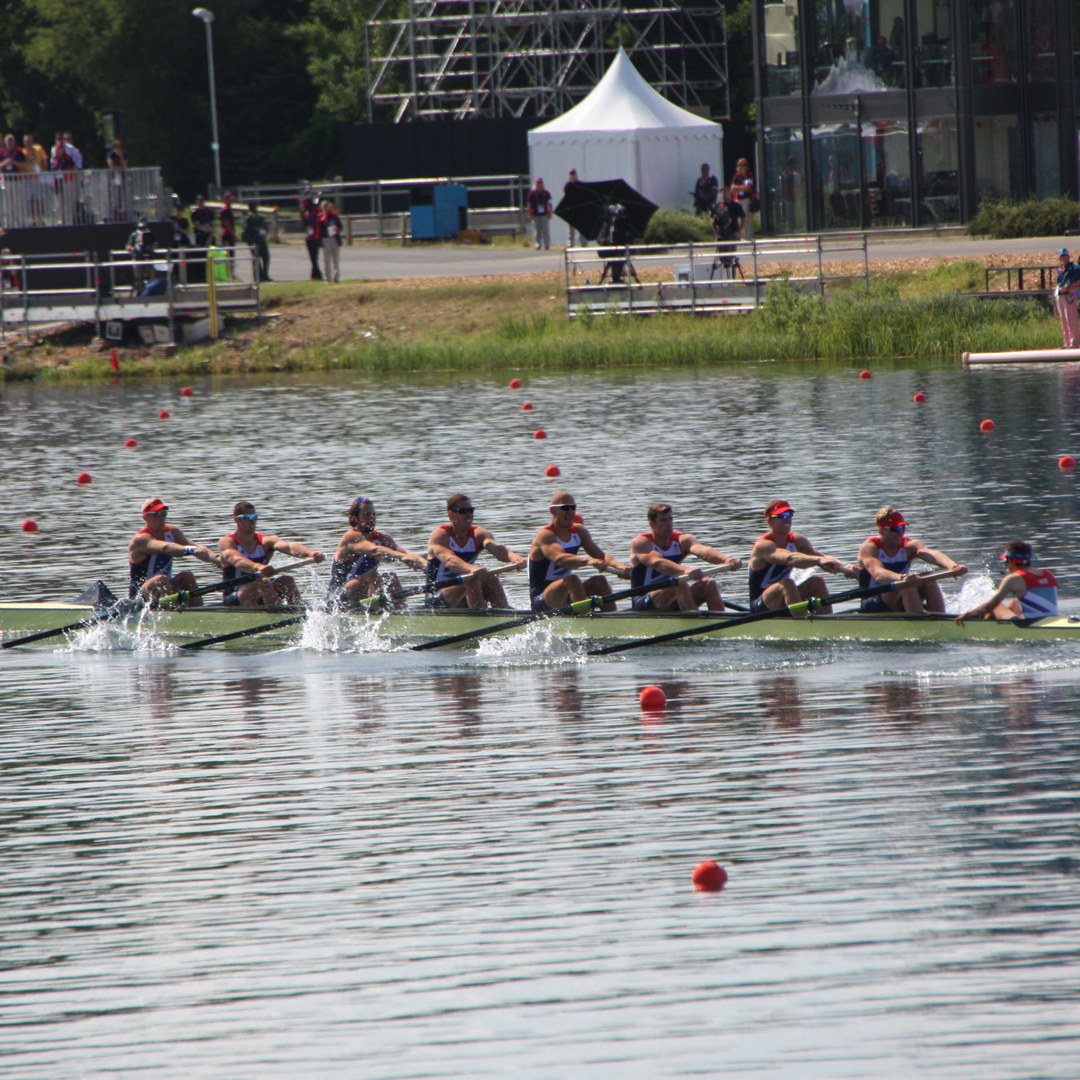
Rowing biomechanist Valery Kleshnev has published a set of target numbers for rowers at three levels: Olympic, U23 and U19. The short version of his newsletter on row2k (4 November 2026) answers a question coaches with boat data keep asking him: what should my crew actually be producing?
Why he built new targets
Kleshnev says most target numbers in rowing come from one outstanding athlete or crew, and everyone else is expected to fit them, which is close to impossible. When a new champion comes along, the "gold standard" has to change, and coaches lose faith in it. So he combined two methods. He modelled the power and work per stroke needed to hit a target speed and stroke rate, then used the BioRow biomechanics database of more than 60,000 boat samples to work out how the main measures relate to each other.
Force does most of the work
The headline finding is the one a powerful rower will like:
“85% of the variation in work per stroke was explained by variation in force and only 15% by variation in stroke length”
That makes the contribution of force 5.7 times greater than that of stroke length.
Juniors are just as long, but not as strong
Kleshnev's analysis of world-record data for each category shows that, on average, the speed of U23 rowers is 2.5% lower than that of Olympic-level athletes, and the speed of U19 rowers 4.6% lower. The force gap is bigger: U23 rowers produce 4.3% less force than Olympic-level athletes on average, and U19 rowers 8.9% less.
Stroke length hardly changes at all. For U23 rowers it is only 0.3% shorter than for adults, and for U19 rowers 0.7% shorter. Kleshnev notes that young rowers can sometimes be longer than adults, possibly because they are more flexible.
His tables give target times, rates, power, forces and oar angles for every boat class at all three levels.
The model also runs as an online calculator on BioRow's site, where subscribers can check their own data against it.
Why it matters
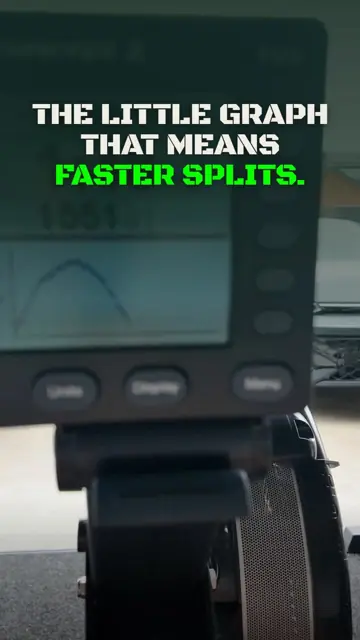
For a young rower, the gap to the top level isn't length. It's force, and that is built with strength and power work and a better force curve. Shaun has said the same about the curve on a rowing machine:
“often a really good curve will mean faster splits, not often, always”
And on length, Kleshnev's flexibility point lines up with what Shaun says about being strong at the catch:
“The more flexible you are the more strength you're gonna have at length”
Start with reading your rowing force curve, then strength exercises for rowers to build the force, and the stretches Shaun used to stay flexible so you can use it at length.