Time trials over 2k used to be the odd one out at a regatta. Not any more. In a new guide on row2k (11 November 2026), Ed Hewitt points out that Youth Nationals, ACRA, Stotesbury, the Dad Vails and national team trials and selection events now use them as the standard, and that the World Championships in Amsterdam went to a time trial in the eights because of the conditions and too little information to seed the event.
His point is that plenty of crews still turn up to a major regatta without ever having done one on a 2k course. A time trial is close to a short head race: the side-by-side racing is mostly gone, and crews often come off the water sure they went well, then see the results.
The 1900m start
In most cases the time trial start line is 100 metres from the normal start, so the race on the clock is 1900m. That gives officials and crews room to marshal into the lane, get pointed and get up to speed. It also means a split check can fool you:
“Remember that the first 500 is actually 400 meters.”
Know the course and find the start
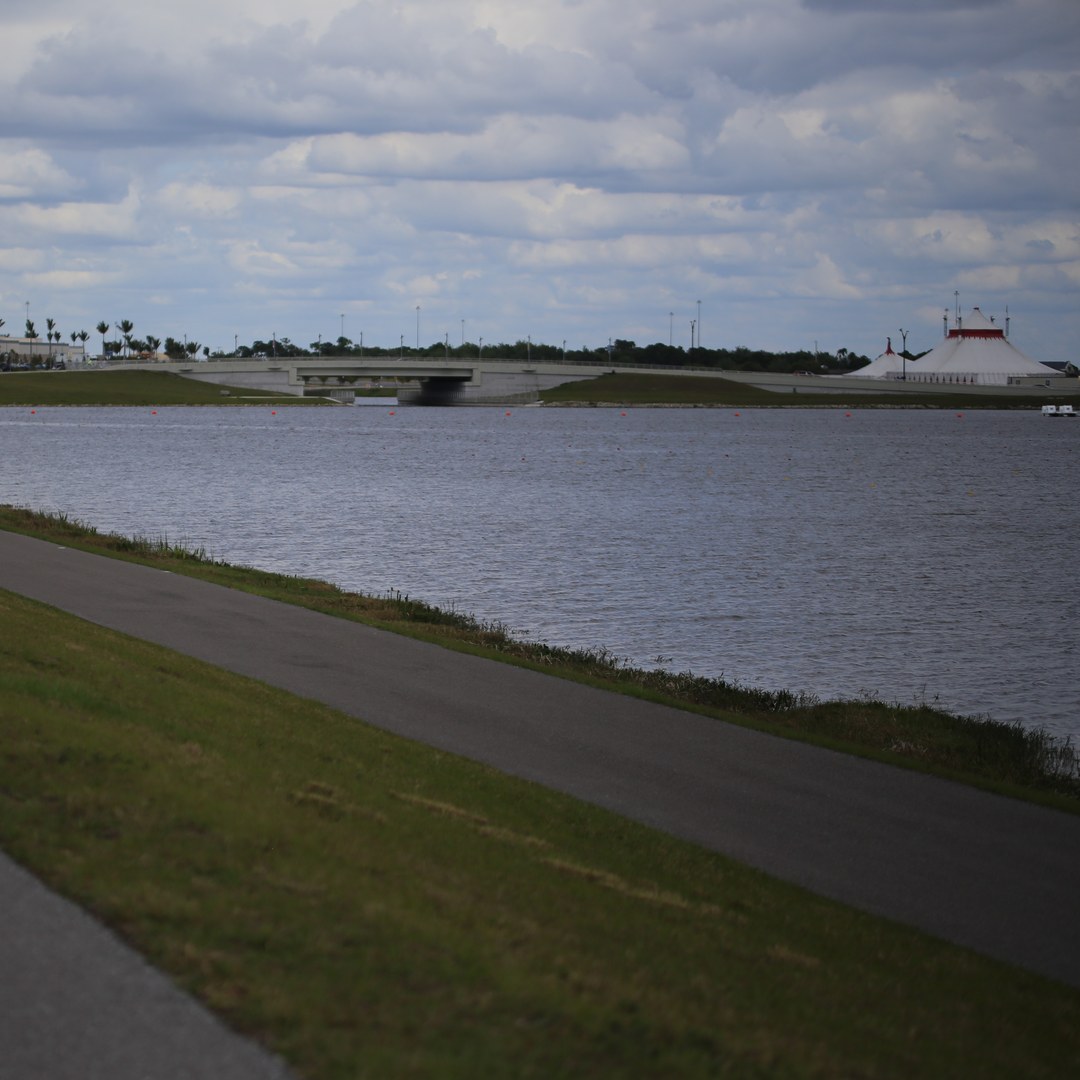
Hewitt's guide spends most of its time on the practical side. Learn the regatta site before you race, especially the start and warm-up area, and whether the 500m marks and the last few hundred metres are easy to see from the boat. Look for the real start: on many courses it is where the red buoys change to white, but buoys go missing by championship season, so the officials and timers on the bank are the safer guide.
In the marshalling area, get yourselves into bow number order rather than waiting to be found. Odd bow numbers usually race in the odd lane and even numbers in the even lane. Sit in the middle of your lane and allow for any crosswind while you wait, because a surprising number of crews start with the buoy line under their oars.
Cross the line at full speed
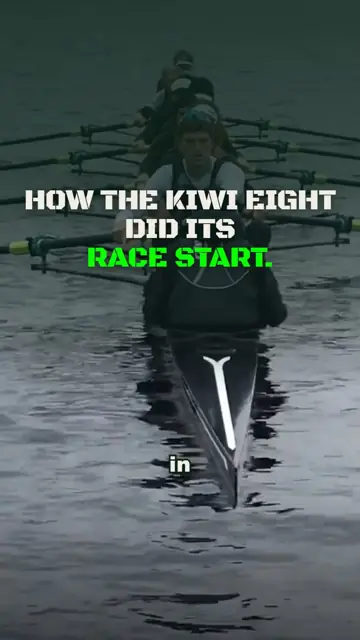
The tip that matters most for boat speed is getting up to pace before the clock starts. Hewitt sees some crews go to full pressure far too early and others only reach speed once they are on the course. Work out in training how long your boat takes to get up to speed, then use the buoys or markers before the line to time it.
Stick to your plan
His last tips are about your head. You can only see a few crews around you, and you might be starting just ahead of the fastest boat in the field or the slowest. If the fastest crew passes you and you let it get to you, you could miss the cut by a tiny margin. His advice is to stick to your plan.
Why it matters
A time trial takes away the crew beside you, so the only race you can run is your own. That is the same thing Shaun says about worrying what the opposition is doing:
“don't compare yourselves to what others are doing and what they might look like”
Read why sizing up the opposition is a waste of energy and why chasing the perfect race is a lie, because on a time trial something will go wrong at the start area. Then practise a simple race start so you can get the boat up to speed before the line.
Sources: How to Do a 2k Time Trial (Ed Hewitt, row2k, 11 November 2026)